The Regional Renaissance: How Local Expertise Is Reclaiming British Business Confidence

The Fundamental Shift Toward Regional Specialists
The landscape of British professional services has undergone a remarkable transformation since 2020, with enterprises increasingly prioritising local expertise over distant alternatives. This shift represents more than mere convenience—it reflects a fundamental reassessment of what constitutes value in professional relationships.
Across sectors ranging from legal services to technical consulting, businesses are actively seeking providers with strong regional roots and demonstrable community connections. This preference extends beyond simple geography to encompass cultural understanding, accessibility, and the enhanced accountability that comes with shared local presence.
The Catalyst of Crisis and Recovery
The pandemic period served as an unexpected catalyst for this regional renaissance. When remote working became universal and digital communication dominated business interactions, many enterprises discovered that physical proximity retained unexpected value in professional relationships.
Local specialists proved more accessible during crisis periods, offering face-to-face meetings when circumstances demanded personal interaction. They demonstrated superior understanding of regional challenges, regulatory variations, and local market conditions that affected business operations during unprecedented circumstances.
Moreover, businesses recognised that supporting local specialists contributed to regional economic resilience—a consideration that gained prominence as communities grappled with widespread economic disruption.
The Accountability Advantage of Local Presence
Regional specialists operate within communities where their professional reputation directly affects their personal and business relationships. This proximity creates powerful incentives for exceptional service delivery that extend beyond contractual obligations.
Local practitioners understand that their performance affects their standing within professional networks, social circles, and community organisations. This multi-dimensional accountability often translates into higher service standards and more responsive client relationships than might be expected from distant providers with no local connections.
Furthermore, businesses appreciate the enhanced recourse available when working with local specialists. Issues can be addressed through direct communication, mutual professional contacts, or shared community connections rather than formal complaint procedures with remote organisations.
Cultural Competency and Regional Understanding
British regions maintain distinct business cultures, regulatory environments, and market characteristics that significantly influence professional practice. Local specialists possess intuitive understanding of these nuances, enabling more effective service delivery and strategic guidance.
Consider the differences between conducting business in Scotland's central belt versus the South West of England, or navigating regulatory requirements in Northern Ireland compared to the Midlands. Regional specialists bring accumulated knowledge of local customs, key decision-makers, and established business practices that can prove invaluable for enterprise success.
 Photo: South West of England, via thumbs.dreamstime.com
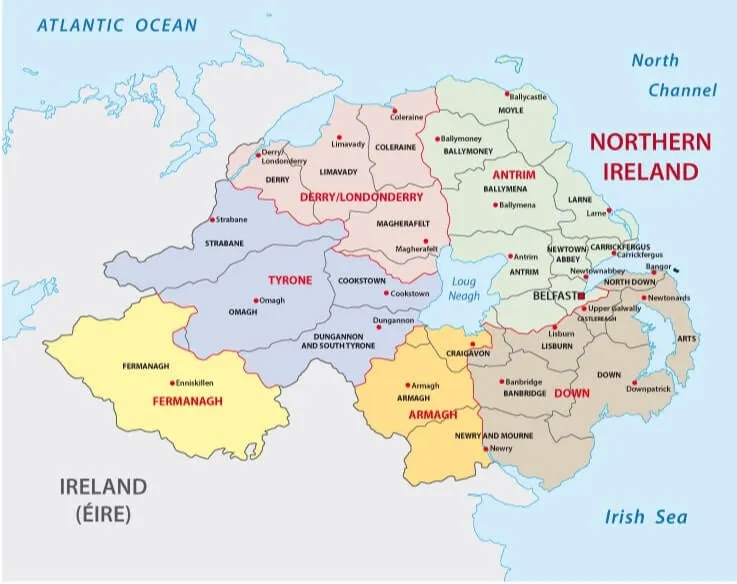 Photo: Northern Ireland, via www.theirishroadtrip.com
This cultural competency extends to understanding regional economic priorities, development initiatives, and political considerations that may affect business operations. Local specialists often maintain relationships with regional development agencies, local authorities, and industry bodies that can benefit their clients.
The Economic Multiplier Effect
Businesses increasingly recognise that engaging local specialists creates positive economic multiplier effects within their operating regions. Revenue retained locally supports regional employment, contributes to local tax bases, and strengthens the broader business ecosystem that benefits all regional enterprises.
This consideration has gained particular prominence as businesses seek to demonstrate corporate social responsibility and community engagement. Supporting local specialists provides tangible evidence of regional commitment whilst potentially strengthening relationships with local customers and stakeholders.
Additionally, local specialists often source their own services regionally, creating extended networks of local business relationships that can benefit their clients through referrals, partnerships, and collaborative opportunities.
Capitalising on the Regional Advantage
Established local practices are strategically positioning themselves to capitalise on this trend by emphasising their regional credentials and community connections. They highlight local case studies, showcase regional expertise, and demonstrate their understanding of local market conditions.
Many are strengthening their community involvement through professional associations, charitable activities, and local business networks. These activities enhance their regional profile whilst providing valuable networking opportunities that benefit their clients.
Some local practices are also developing strategic partnerships with complementary regional specialists, creating comprehensive service networks that can compete effectively with larger national providers whilst maintaining local character and accountability.
Challenges for National Providers
National and international service providers are adapting to this regional preference by establishing stronger local presences and emphasising their regional capabilities. However, they face significant challenges in demonstrating authentic local connection and community commitment.
Many are investing in regional offices, local recruitment, and community engagement programmes. Yet these efforts often struggle to match the natural advantages of established local specialists with genuine regional roots and long-standing community relationships.
The most successful national providers are those that embrace genuine local autonomy, allowing regional offices to develop authentic local character whilst maintaining access to broader organisational resources.
Future Implications for Regional Business
This trend toward local specialists appears likely to continue as businesses recognise the strategic advantages of regional relationships. The combination of enhanced accountability, cultural competency, and economic alignment creates compelling value propositions that extend beyond simple service delivery.
For emerging specialists, establishing strong regional credentials and community connections represents a significant competitive advantage. Investment in local relationships, regional expertise, and community involvement can provide sustainable differentiation in increasingly competitive markets.
The Enduring Appeal of Local Partnership
The renaissance of regional specialists reflects broader changes in how British businesses evaluate professional relationships. Beyond technical competency and competitive pricing, enterprises increasingly value accessibility, accountability, and alignment with their community commitments.
This evolution suggests that the most successful professional practices will be those that combine technical excellence with genuine regional connection and community engagement. In an era where digital communication can connect businesses with specialists anywhere, the paradoxical appeal of local expertise continues to grow stronger.